Keynote Speakers
Conference Chairman
 Prof Patrick Kestemont
Patrick Kestemont is full professor (emeritus since the 1st of October 2025) at the University of Namur, Belgium. He graduated as biologist from the Catholic University of Louvain in 1983 and holds a PhD degree in Sciences from the University of Namur in 1988. After a post-doc research fellowship in 1989 at the Museum National d’Histoire Naturelle in Paris and the CEMAGREF station in Lyon, he conducted several research projects on fish ecophysiology related to wild and aquaculture environments. Later he developed a new field of research in fish ecotoxicology, dealing with the physiological adaptation and responses of fish to different types of pollutants. He published more than 330 articles in scientific journals (Scopus). He was the director of the Research Unit in Environmental and Evolutionary Biology (URBE) and President of the Research Institute of Life, Earth & Environment (ILEE) at the University of Namur. He is the Editor-in-Chief of Fish Physiology and Biochemistry (Springer-Nature) since 2007.
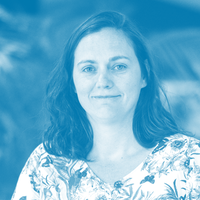
Dr Valerie Cornet | University of Namur, Belgium
Valérie Cornet is a postdoctoral researcher in the Research Unit of Evolutionary and Environmental Biology at the University of Namur. Her work investigates how fish respond and adapt to multiple environmental stressors, including pollutants, pathogenic infections, and climate change. She combines molecular tools with physiological and behavioral approaches to better understand the mechanisms underlying resilience and adaptation. For several years, she has been actively involved in Atlantic salmon restocking programs, where she conducts in vivo experiments aimed at enhancing adaptive capacity through nutritional strategies and optimized rearing conditions. Her current research also focuses on assessing the effects of climate change on fish reproductive performance, with the goal of improving conservation and aquaculture practices in a rapidly changing environment.
More about Valérie Cornet
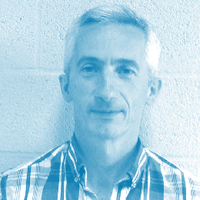 Professor Frédéric Farnir | University of Liège, Belgium
After earning my degree in civil engineering in 1986, I shifted my career focus to mathematical and statistical modeling in the life sciences. I received my Ph.D. in veterinary science in 2000 after contributing to several publications on animal production and health. My research focuses on statistical modeling, the genetic improvement of livestock, and the identification of genetic variants associated with traits of interest to breeders or owners (diseases, production traits). More recently, I have applied genetic improvement techniques to aquaculture through projects in Vietnam, where I am involved in genetic improvement initiatives targeting the Pangasius (Pangasianodon hypophthalmus) and in efforts to diversify the local aquaculture sector.
More about Frédéric Farnir
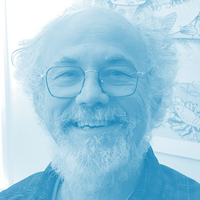
Professor Pascal Fontaine | University of Lorraine, Nancy, France
Pascal Fontaine is a member staff of the Laboratory Animal and Agroecosystems (L2A) and more specifically of the research team “Diversification in Inland Aquaculture”. His research has primarily focused on the domestication of fish in the Percidae family (Eurasian perch, pikeperch), with an emphasis on controlling reproductive cycles and rearing larvae. More recently, he has devoted a significant portion of his research to studying the effects of domestication and developing a general approach to domestication.
More about Pascal Fontaine
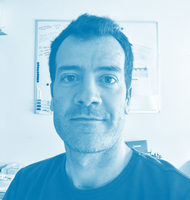 Dr Manuel Gesto | Technical University of Denmark, DK
Manuel Gesto is a senior researcher at the Section of Aquaculture of DTU Aqua, Technical University of Denmark, specializing in fish stress physiology and fish welfare. His work examines how environmental, social, and physical stressors are perceived and processed by fish, focusing on the resulting neuroendocrine and behavioral responses. Gesto’s research aims to improve welfare and productivity in aquaculture by identifying stress pathways and other welfare risks and developing methods to monitor and enhance the well‑being of farmed fish. He also coordinates the Nordic Network on Fish Welfare, contributing to Nordic regional collaboration on welfare standards.
More about Manuel Gesto
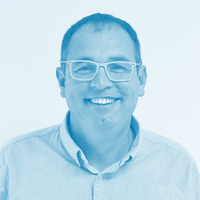 Dr Enric Gisbert | Institute of Agrifood Research and Technology, Spain
Enric Gisbert is a senior researcher and Head of the Aquaculture Program at IRTA (Institute of Agrifood Research and Technology) in Catalonia, Spain. His work focuses on advancing sustainable aquaculture systems to meet future global food demands with a special focus on fish nutrition, studying how feed composition affects growth, health, and product quality. He has conducted extensive research on functional feeds and alternative protein sources in aquaculture diets. A key area of his expertise includes larval and juvenile fish development and physiology. He also specializes in digestive system development and enzymatic activity in aquatic species. Currently, he is the scientific coordinator of the Mediterranean Restorative Aquaculture Demonstration Centre (MRADC) in la Ràpita in cooperation with the General Fisheries Commission for the Mediterranean (FAO).
More about Enric Gisbert
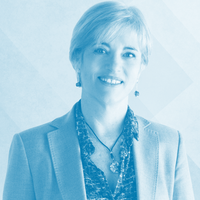 Professor Marisol Izquierdo | University of Las Palmas de Gran Canaria (ULPGC), Spain
Professor Marisol Izquierdo is full professor at Las Palmas de Gran Canaria University (ULPGC, since 2000). She has been awarded several prizes including Best Research Team of ULPGC (2012), Honorary Life Award of World Aquaculture Society (2018), the Best Scientific Career Price (2019), and has been recognized for her Contribution to Sciences i.a. by Gran Canaria Government (2024). Her research career has focused on studies of physiology of fish nutrition. These investigations have been conducted through more than 100 research projects obtained through competitive public funding and 40 agreements with the pharmacological and alimentary industry. As a result, she has published more than 298 articles in scientific journals (h index of 72, SCOPUS), 12 book chapters, several reviews and has supervised over 40 PhD dissertations. She has over 50 invited lectures in international scientific conferences.
More about Marisol Izquierdo
Dr Ivar Lund | Technical University of Denmark, DK
Ivar Lund is a senrior scientist at DTU Aqua, Technical University of Denmark. His research activities deal with fish physiology in relation to lipid nutrition and fatty acids with specific reference to the importance of LC –PUFAs (long chain polyunsaturated fatty acids) on nutrient quality, ontogenic development and short and long term physiological responses in fish larvae, juvenile fish and crustaceans in aquaculture. In specific expertise regarding the influence of dietary lipid content and its fatty acid composition for conversion and deposition in various tissues. Research involves nutritional effects of substituting traditional feed ingredients with new alternative sustainable ingredients for fish feed and impact of alternative lipids and fatty in order to minimize the usage of traditional marine fish oils in aquatic feeds.
More about Ivar Lund
 Professor Sylvain Milla | University of Lorraine, Nancy, France
Sylvain Milla is a Full Professor of Animal Production at the University of Lorraine. He teaches zootechnics and statistics at the Nancy-Brabois Institute of Technology (IUT) of the University of Lorraine. He currently serves as Head of the L2A Laboratory (Laboratory of Animals and Agroecosystems) and is a member of the Domestication in Inland Aquaculture research team. His research focuses on the impact of domestication on the physiology, welfare, and zootechnical performance of freshwater fish species of major interest for aquaculture, as well as on the zebrafish model. His work particularly investigates the endocrine regulation of gametogenesis and the identification of welfare indicators that may be altered during domestication processes. Through this research, he aims to improve both animal welfare and production efficiency in aquaculture systems.
More about Sylvain Milla
 Professor Daniel Montero | University of Las Palmas de Gran Canaria (ULPGC), Spain
Daniel Montero is a Full Professor of Zoology and Aquaculture at the University of Las Palmas de Gran Canaria (ULPGC) and a leading researcher within the Aquaculture Research Group (GIA) of the ECOAQUA Institute. His research focuses primarily on fish nutrition, health, and welfare in captive-bred marine species, specifically investigating how dietary nutrients (such as fatty acids and phytogenics) modulate immune responses, oxidative stress, and stress resistance in marine warm-water aquaculture species. He is the current Scientific Coordinator of the aquaculture facilities at ECOAQUA and serves as the Academic Coordinator of the ACUISEMAR Doctoral Program (Sustainable Aquaculture and Marine Ecosystems) at the ULPGC.
More about Daniel Montero
Dr Constantinos (Dinos) Mylonas | IMBBC, Hellenic Center for Marine Research (HCMR), Crete, Greece
Dinos Mylonas is director of the Institute of Marine Biology, Biotechnology & Aquaculture and was the organizer of the 12th International Symposium on Reproductive Physiology of Fish in Crete. His research focuses on applied aspects related to (a) the study of fish reproductive biology and endocrinology, (b) the identification of the dysfunctions exhibited by broodstocks in aquaculture, and (c) the development of environmental and pharmacological methods for the control of reproduction, induction of spawning and improvement of sperm production in the aquaculture industry. In this framework, he has worked on more than 20 different fish species, and collaborated closely with the aquaculture industry in many countries. His achievements in this field include the control of maturation and spawning in captivity for the first time worldwide, of species such as the dusky grouper, the wreckfish, the greater amberjack and the Atlantic bluefin tuna.
More about Dinos Mylonas
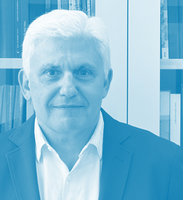 Professor Francesc Piferrer | Institute of Marine Sciences, Spain
Francesc Piferrer is Research Professor at the Institute of Marine Sciences in Barcelona, where he leads the Group of Biology of Reproduction and Environmental Epigenetics. He is internationally recognized for pioneering studies demonstrating how environmental cues, most notably temperature, affect sex ratios through epigenetic mechanisms, establishing key links between DNA methylation and gene regulation during sex differentiation. His work has helped shape the emerging field of aquatic epigenetics. He has been instrumental in translating epigenetic knowledge into applications, contributing to the development of epigenetic sex predictors, molecular tools for age estimation, and approaches that integrate epigenetic variation into domestication and selective breeding programs. His research has also provided insights into early domestication processes. He co-edited the book Epigenetics in Aquaculture, which has played a key role in consolidating and disseminating this rapidly developing discipline. His work has been recognized through several acknowledgments and awards, including election as a member of the Royal Academy of Sciences and Arts of Barcelona.
More about Francesc Piferrer
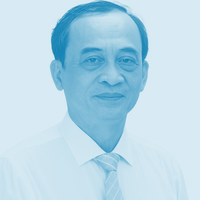
Professor Nguyen Thanh Phuong | Can Tho University, Viet Nam
Nguyen Thanh Phuong is a staff member of the Faculty of Marine Science and Technology, College of Aquaculture and Fisheries, Can Tho University. His research focuses on aquatic animal physiology, the farming of striped catfish and marine shrimp, as well as climate change adaptation and nature-based aquaculture practices in coastal areas. He is also interested in the domestication of euryhaline fish species. These studies aim to sustain aquaculture production in the Mekong River Delta under the impacts of climate change.
More about Nguyen Thanh Phuong
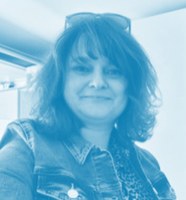 Professor Carole Rougeot | University of Liège, Belgium
Carole Rougeot is Research Director of the Aquaculture group at the Management of Aquatic Resources and Aquaculture Unity at the University of Liège. Carole Rougeot was graduated in Biology from the University of Liège in 1998. She obtained her PhD in Aquaculture in 2004. She is specialized in fish biology, physiology and welfare in aquaculture. She now mainly works on sustainable aquaculture development, using integrative culture systems such as biofloc technology, polyculture and aquaponic, in order to reduce water consumption in rearing systems. She works with developing countries as Burkina Faso, Ivory Coast, Senegal, Benin, RDC and Madagascar.
More about Carole Rougeot
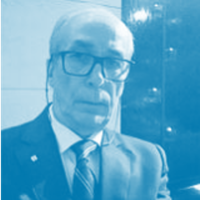
Professor Marco Saroglia | University of Insubria, Varese, Italy
Marco Saroglia was Full Professor of Aquaculture at the University of Insubria and served as Director of the WAS. Currently he is Lecturer at the University of Ghent (BE), and coordinator at University of Insubria of a national research project focused on the improvement of fish fillet quality through nutrition, with AI applications. His research activities deal with the role of nutrition on fish physiology and fillet quality, through the response of the gut microbiota. These studies aim at a nutritional manipulation of the gut microbial ecosystem to optimize the application of circular economies in fish nutrition.
More about Marco Saroglia
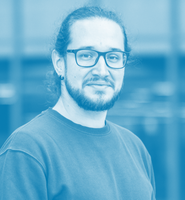 Professor Eli Thoré | University of Namur, Belgium
Eli Thoré is an Assistant Professor at the University of Namur, where he leads the Laboratory of Adaptive Biodynamics, and an associated researcher at the Swedish University of Agricultural Sciences. Trained as an ecologist, he is fascinated by why animals behave and function the way they do, and by how those responses are shaped by a rapidly changing world. His research focuses primarily on fish and other aquatic organisms, integrating behavioural, physiological, and ecological approaches to study stress, resilience, and the impacts of human activities on aquatic environments. Ultimately, his work seeks to better understand, predict, and mitigate the effects of environmental change while supporting healthy ecosystems and sustainable aquaculture.
More about Eli Thoré
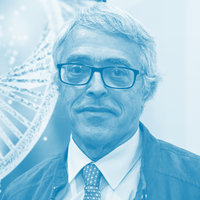
Professor Lluis Tort | Autonomous University of Barcelona, Spain
Luis Tort is leader of the Research group AQUAB-FISH focused on research on Health and welfare in fish, particularly on fish stress and immune responses related to aquaculture, and author of reference studies in this area such as the Academic Press book of "Biology of Stress in fish" and the most cited paper on “Stress and immunomodulation in fish" in Dev. Comp. Immunol. He is the current Scientific Coordinator of the EURCAW-Aqua, the European Research Center for Animal Welfare-Aquatic Animals and the Vice-President of the Professional College of Biologists of Spain.
More about Luis Tort
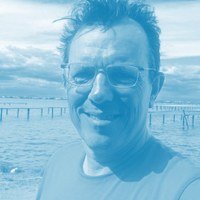
Dr Marc Vandeputte | INRAE, MARBEC, Palavas-les-Flots, France
Marc Vandeputte is a Senior research Scientist at the Marine Biodiversity Exploitation and Conservation unit of INRAE, the National Research Institute for Agriculture, Food en Environment in France. He is a quantitative geneticist, working on selective breeding of fish for aquaculture. He is specially interested in the way natural selection shapes the traits of fish like growth, ressouce allocation or sex determination, and how these are modified by domestication and selective breeding, with the aim to make these more efficient. He has worked on a number of species, in connection with the industry, and especially common carp, rainbow trout, Siberian sturgeon, European seabass, gilthead seabream and shrimps.
More about Marc Vandeputte
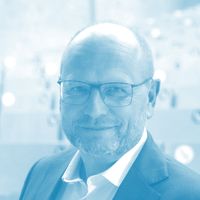 Professor Alain Vanderplasschen | University of Liège, Belgium
Alain Vanderplasschen is Professor of Virology and Vaccinology at the Faculty of Veterinary Medicine of the University of Liège (ULiège). He is Doctor in Veterinary Medicine with a background as a veterinarian virologist and immunologist. For nearly three decades, he has been studying host virus interactions with three special interests: (i) understanding virus evolution, (ii) development of new veterinary vaccines, and (iii) unraveling the mechanisms developed by viruses to evade the immune response of their host. Over the last ten years he has continuously demonstrated an ability to develop, in parallel, both fundamental and applied research in the field of fish virology and immunology. He is the laureate of several prestigious awards. Notably, in 2016, he became the first veterinarian scientist to obtain the prestigious GSK vaccines award (created in 1959) for his work: The infection of carp by Cyprinid Herpesvirus 3: a homologous host virus model to study vaccinology and fundamental immunology. Other examples of the recent awards received in virology are the Francqui Stichting Chair award in 2019 (University Catholique de Louvain) and the Collen-Francqui Chair award in 2021 (University of Ghent). He is at the origine of the IRCAO (Interdisciplinary research platform on aquatic organisms) platform build at ULiège.
More about Alain Vanderplasschen
 Professor Daniel Żarski | InLife Institute of Animal Reproduction and Food Research, Polish Academy of Sciences, Poland
Daniel Żarski is Head of the Reproduction and Development in Fish Research Team at the Institute of Animal Reproduction and Food Research, Polish Academy of Sciences (Poland). His research focuses on fish reproduction and early development, with particular emphasis on parental effects on progeny phenotype. His work integrates controlled reproduction, embryogenesis, larviculture, transcriptomics, gene expression profiling, and proteomics to investigate mechanisms underlying variation in reproductive success and offspring quality in freshwater fish species, especially percids. He has extensive experience in assisted reproductive technologies, including hormonal stimulation, gamete quality assessment, cryopreservation, and out-of-season reproduction.
More about Daniel Żarski